Author: Can Serif Mekik

  • CSBBCS 2026 @ York University, June 1-3, 2026

    CSBBCS 2026 @ York University, June 1-3, 2026

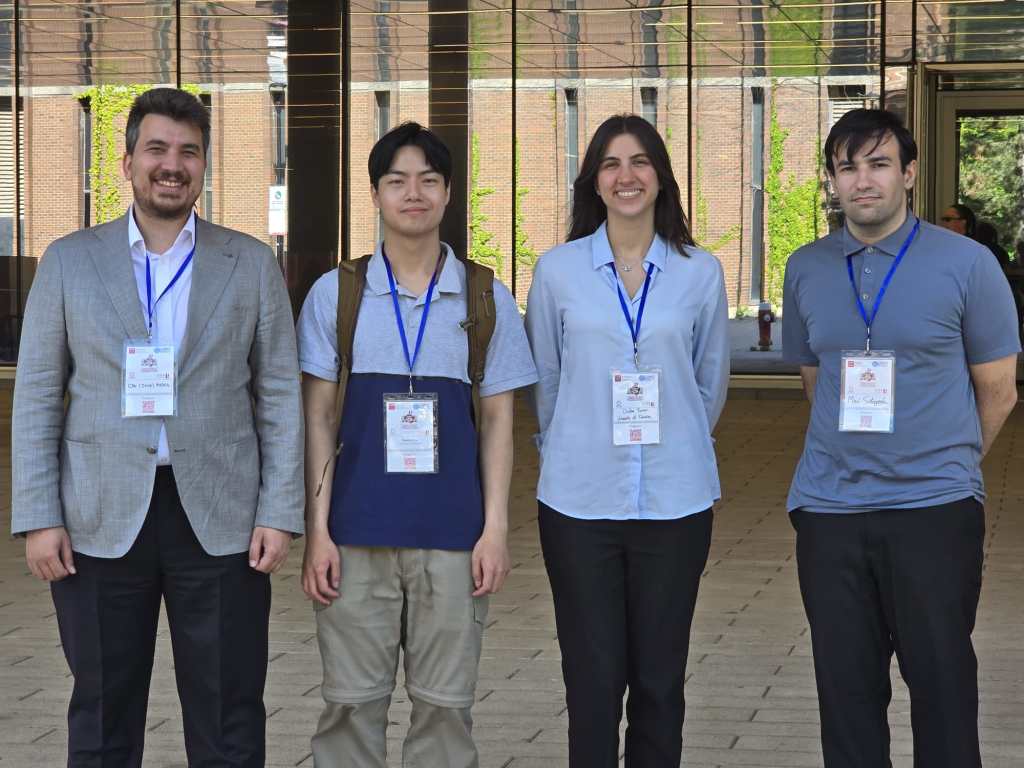
    The Mekik Cognitive Architecture Lab made its debut at CSBBCS this year, presenting no less than five posters.

    Defne Tuncer presented an experiment testing a computational model of temporal binding, Mani Setayesh presented work on a new approach to learning rule parameters in the Clarion cognitive architecture, Dominic Le presented a mechanistic model of causal reasoning based on spreading activation and lateral inhibition, and I presented work with Mengxi Liu on measuring how much time participants invest in problem solving and my own work on developing some axiomatic foundations for weighted-sum representations of evidential support in spreading activation and evidence accumulation models.

    Many thanks to the organizers for a stimulating and fun conference and to fellow CSBBCS goers for their questions and comments. See you all next year!

    – Can
  • Workshop on LLMs and Access to Political Information @ UC Dublin, May 12th, 2026

    Workshop on LLMs and Access to Political Information @ UC Dublin, May 12th, 2026

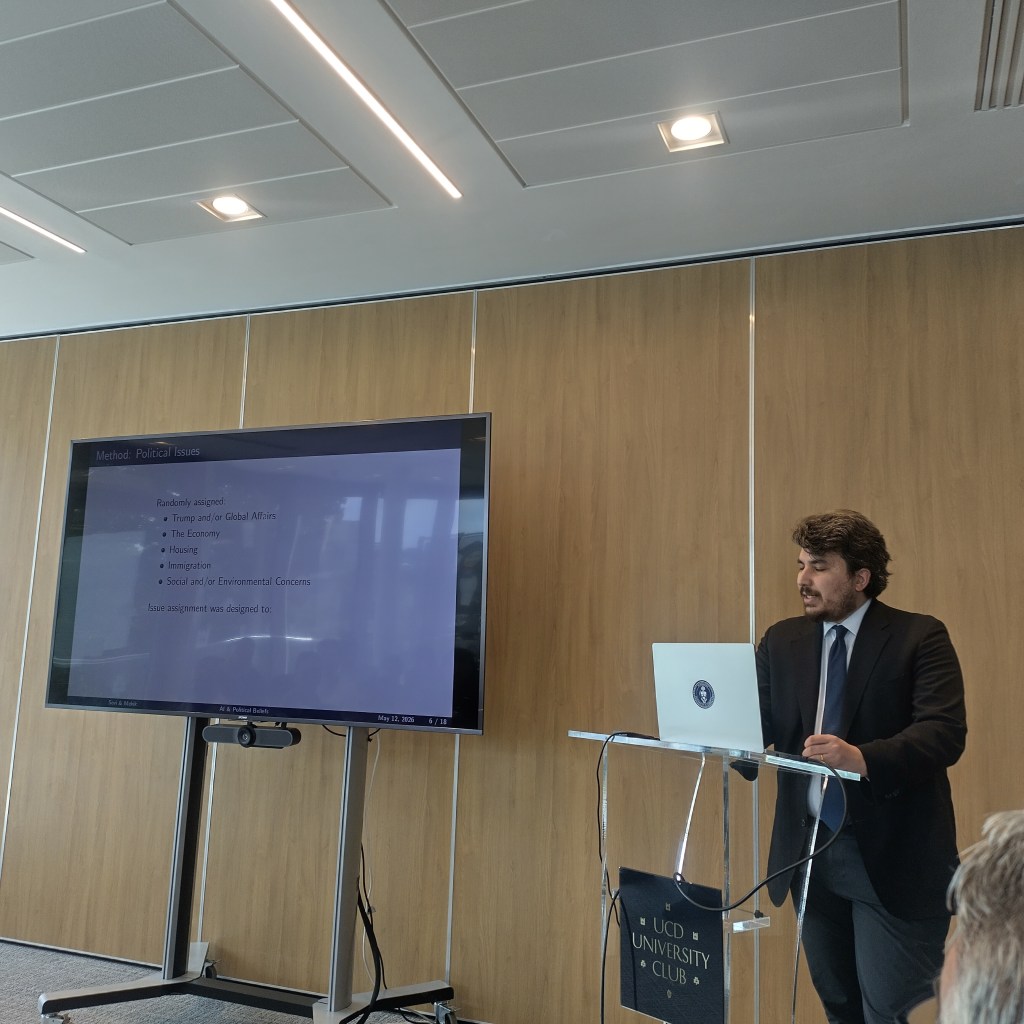
    It was a pleasure to participate in the Workshop on LLMs and Access to Political Information at University College Dublin, organized by the ParliView project, on May 12th, 2026.

    The day was packed with fascinating research on the intersection of AI and political information, and I had fun presenting my working paper, co-authored with Semra Sevi, titled Can conversational AI influence pre-existing political beliefs? (preprint).

    Many thanks to the organizers and presenters for a wonderful event, and to our audience for their thoughtful and constructive questions!

    – Can

  • Julianna Gajraj, B.Sc. ’25

    Julianna Gajraj, B.Sc. ’25

    University of Toronto

    Psychology Specialist, Mathematics Minor

  • Mengxi (Rachel) Liu, B.Sc. ’26

    Mengxi (Rachel) Liu, B.Sc. ’26

    University of Toronto

    Hi! I’m Rachel — I am a 2026 graduate of the University of Toronto, specializing in psychology and majoring in cognitive science in the Brain and Cognition stream. My research interest focus on how our emotions come from, and how it helps to shape our cognition, decision making and behavior. More broadly, I am interested in the neural mechanisms behind emotions and their interaction with cognitive processes, especially how people decide to behave differently under different emotions. My research with Prof. Mekik explores persistence in problem solving, with the goal of better understanding how effort, motivation, and individual differences shape performance in real time.

  • Defne Tuncer, B.Sc. ’26

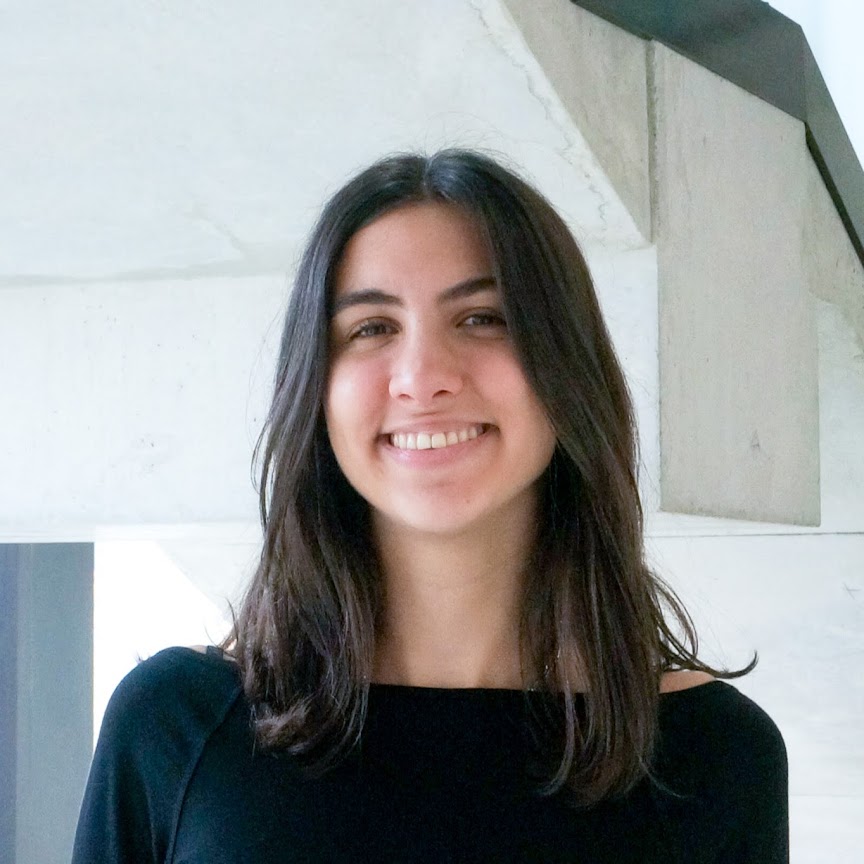
    Defne Tuncer, B.Sc. ’26

    University of Toronto

    Defne is an undergraduate student completing her degree as a psychology specialist and a cognitive science major (Cognition and the Brain stream). Her interests include cognitive development, influences of emotion, and perceptual phenomena. Defne’s research at the Mekik Lab involves investigating the relationship between emotional arousal and time perception.

  • Mani Setayesh, B.Sc. ’26

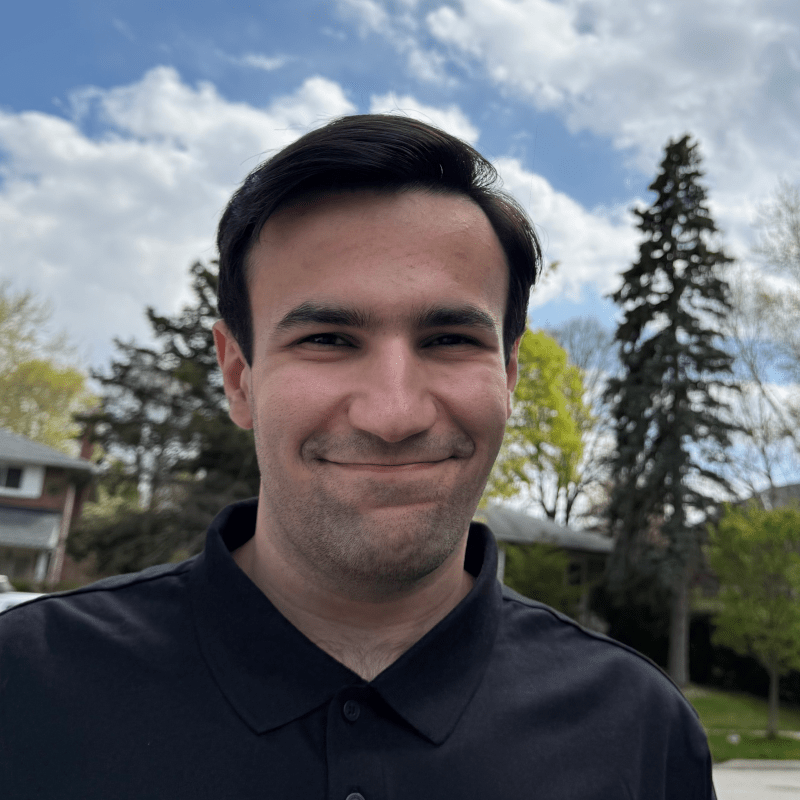
    Mani Setayesh, B.Sc. ’26

    University of Toronto

    Hi! I’m Mani – I am a (soon to be) graduate of the University of Toronto, majoring in computer science and cognitive science. I have a variety of research interests in different avenues of cognitive science, but mainly they involve joining artificial intelligence methods with ideas in psychology/neuroscience to make it more biologically plausible. My research with Prof. Mekik specifically focuses on improving the alignment between symbolic and connectionist representations in the ACS of the Clarion architecture. Outside of research, I often play chess and am an avid pianist!

  • Dominic Le, B.Sc. ’26

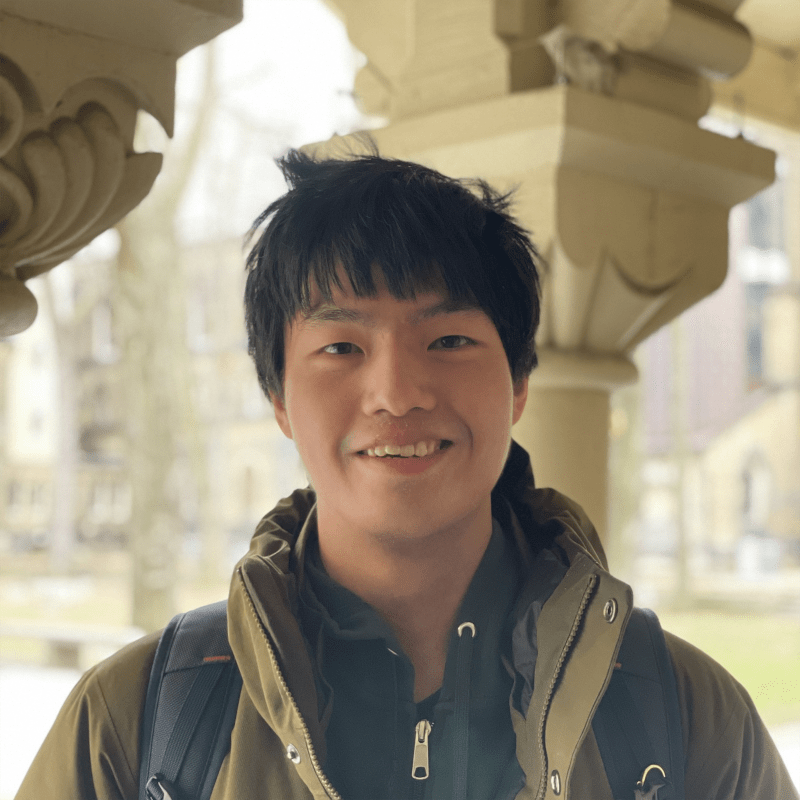
    Dominic Le, B.Sc. ’26

    University of Toronto

    Dominic is an undergraduate researcher finishing up his B.Sc. this year with a double major in psychology and cognitive science (computational cognition stream). He has interests in causal cognition, cognitive development, and counterfactual reasoning.

  • PyClarion Library

    PyClarion is an experimental open-source Python library for building agents in the Clarion cognitive architecture.

    It is a dual-purpose project, serving both as a platform for teaching and learning about computational cognitive modeling and as a tool for facilitating cognitive architectural research.

    The library allows users to construct cognitive architectural models by defining and assembling component processes in a lightweight and standalone discrete-event simulation environment written in pure Python.

    Furthermore, the library provides a domain-specific language for specifying Clarion-style symbolic knowledge representations (i.e., chunks and rules) and defines numerical dictionaries, native numerical data structures that support numerical computations and automatic differentiation over structured symbolic domains.

    Publications

    Mekik, C. S., & Sun, R. (2026). Building intelligent agents based on the Clarion cognitive architecture: Some essential principles. In Proceedings of the 18th International Conference on Agents and Artificial Intelligence (ICAART2026), Volume 1 (pp. 660–667). https://doi.org/10.5220/0014496800004052

  • Lab Site Launched!

    This is your first post.

  • Can Serif Mekik, PhD

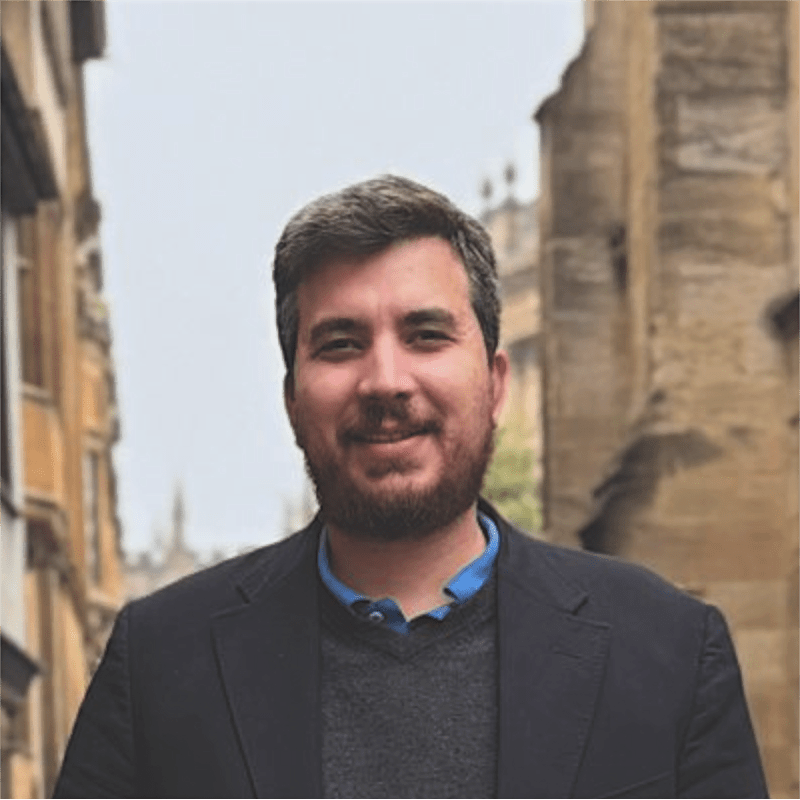
    Can Serif Mekik, PhD

    Assistant Professor
    Department of Psychology
    Cognitive Science Program
    University of Toronto